
Top healthcare tech skills for 2027
The roles Kenyan employers are struggling to fill.
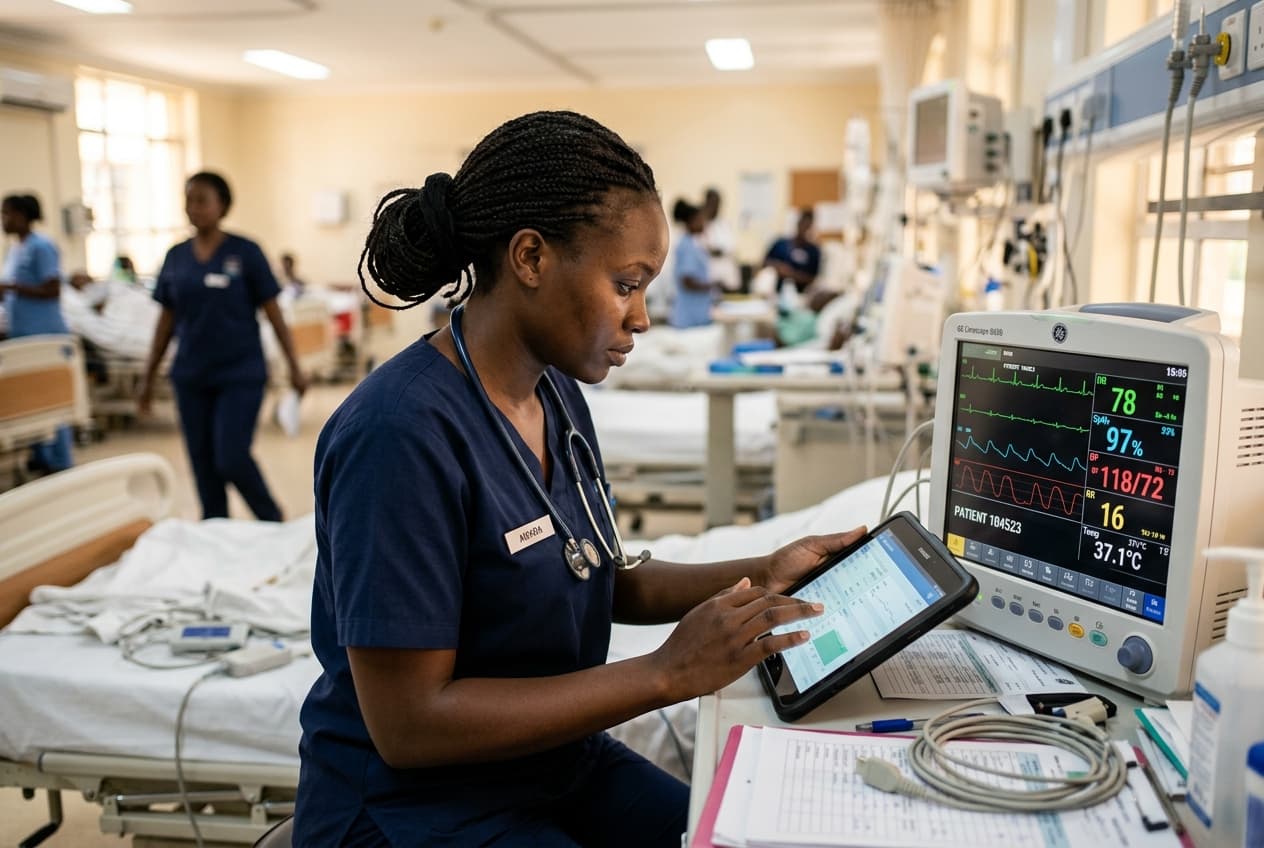
Kenyan hospitals and clinics are buying more equipment and running more of their own records digitally than they were five years ago — and the training pipeline for the people who service that equipment and manage that data hasn't caught up at the same pace. That gap shows up as real, advertised vacancies, and it's worth understanding if you're choosing a course with employability in mind.
Biomedical equipment support is one of the clearest examples. Hospitals now run imaging machines, monitors and lab instruments that need regular calibration and servicing, and there are more machines in the country than there are technicians trained to maintain them. Our Diploma in Medical Engineering covers electronics fundamentals, medical imaging equipment, biomedical instrumentation and maintenance planning — the direct skill set behind this kind of role.
Health records and information systems is the second. As facilities move patient records onto digital systems, they need staff who understand both medical terminology and basic database and coding practice — a combination our Diploma in Health Records & IT is built around, alongside data protection and ethics, which matters more every year as patient data moves online.
Laboratory and diagnostic technology is the third. Testing volumes have grown across public and private labs alike, and quality-assured lab work depends on technicians trained in analytical chemistry, microbiology technique and instrumentation — covered in our Diploma in Science Lab Technology.
None of this means older, more familiar clinical routes are less valuable — theatre technology and caregiving remain in steady demand too. But if you're weighing options specifically for how quickly you're likely to be hired, the equipment- and data-facing diplomas are worth a serious look precisely because fewer people train for them.